
The complete guide
How to Choose a Bulk Building Brick Set That Actually Gets Used
The problem with most building sets
Walk down any toy aisle and you will notice something. Nearly every building box is a model. There is a picture on the front, a numbered booklet inside, and a very specific thing you are meant to end up with. Kids build it once, usually in an afternoon, and then it either sits on a shelf collecting dust or gets broken apart and dumped into a drawer where the pieces lose each other forever.
That is not a bad toy. It is just a short one. The booklet does most of the thinking, and when the booklet runs out, so does the play.
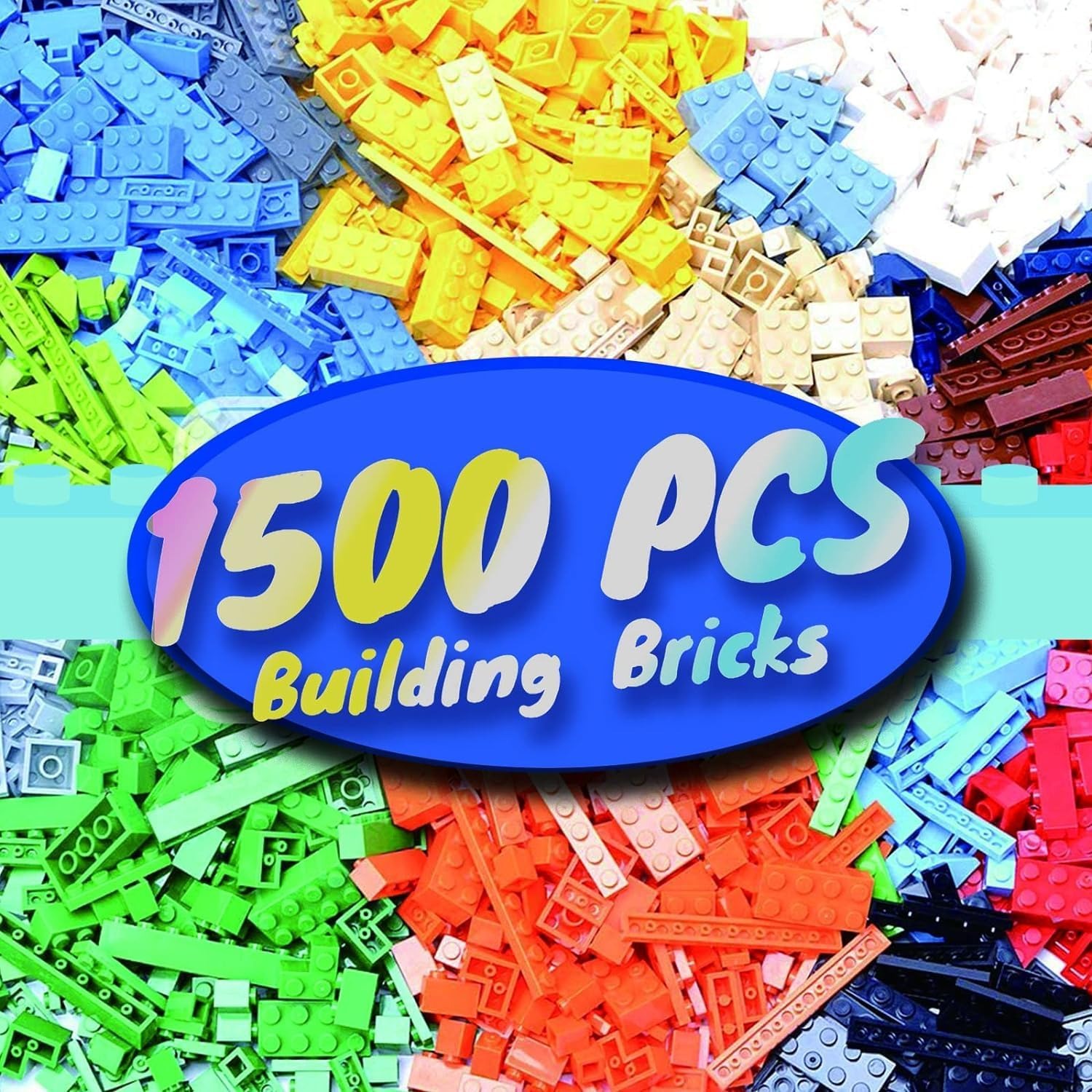
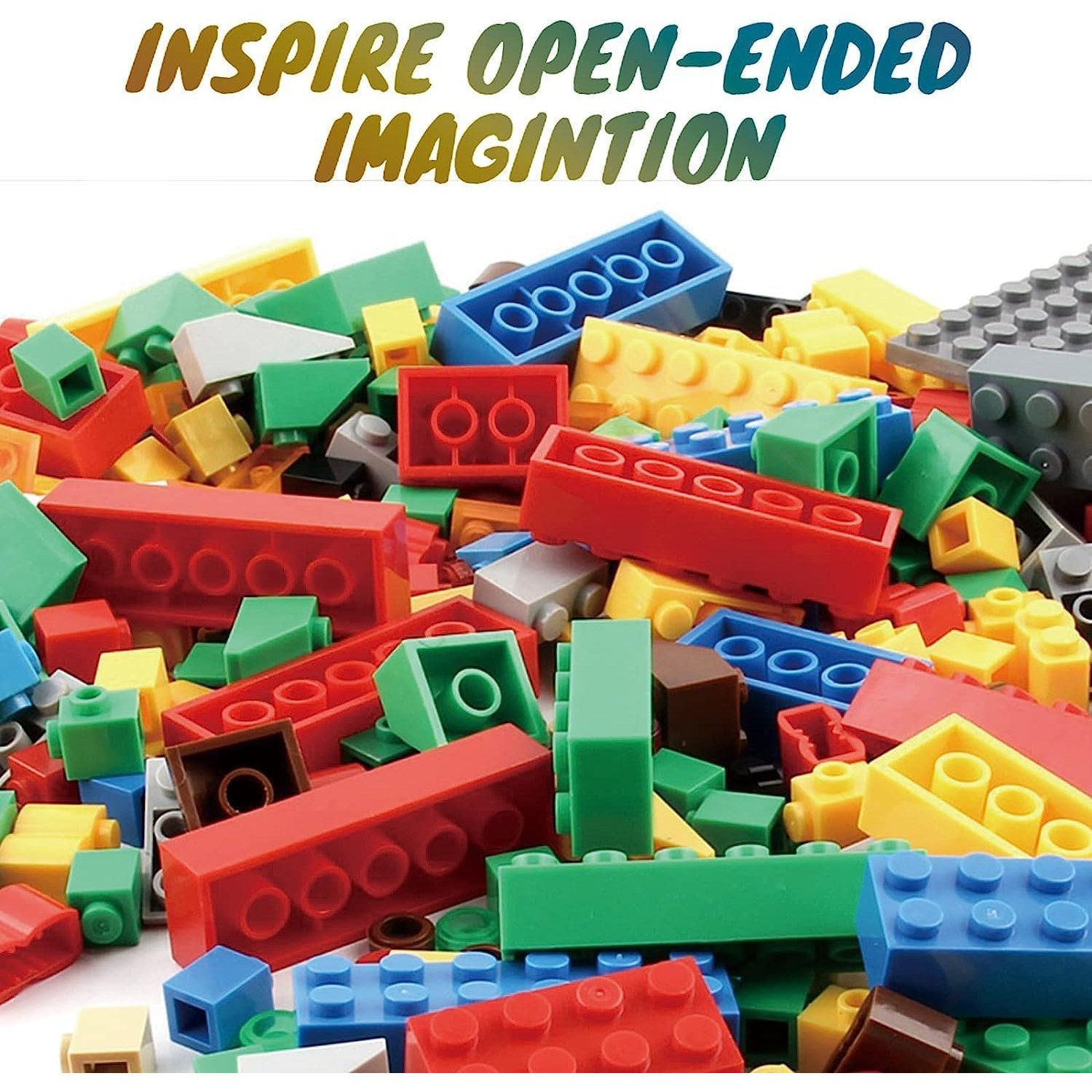
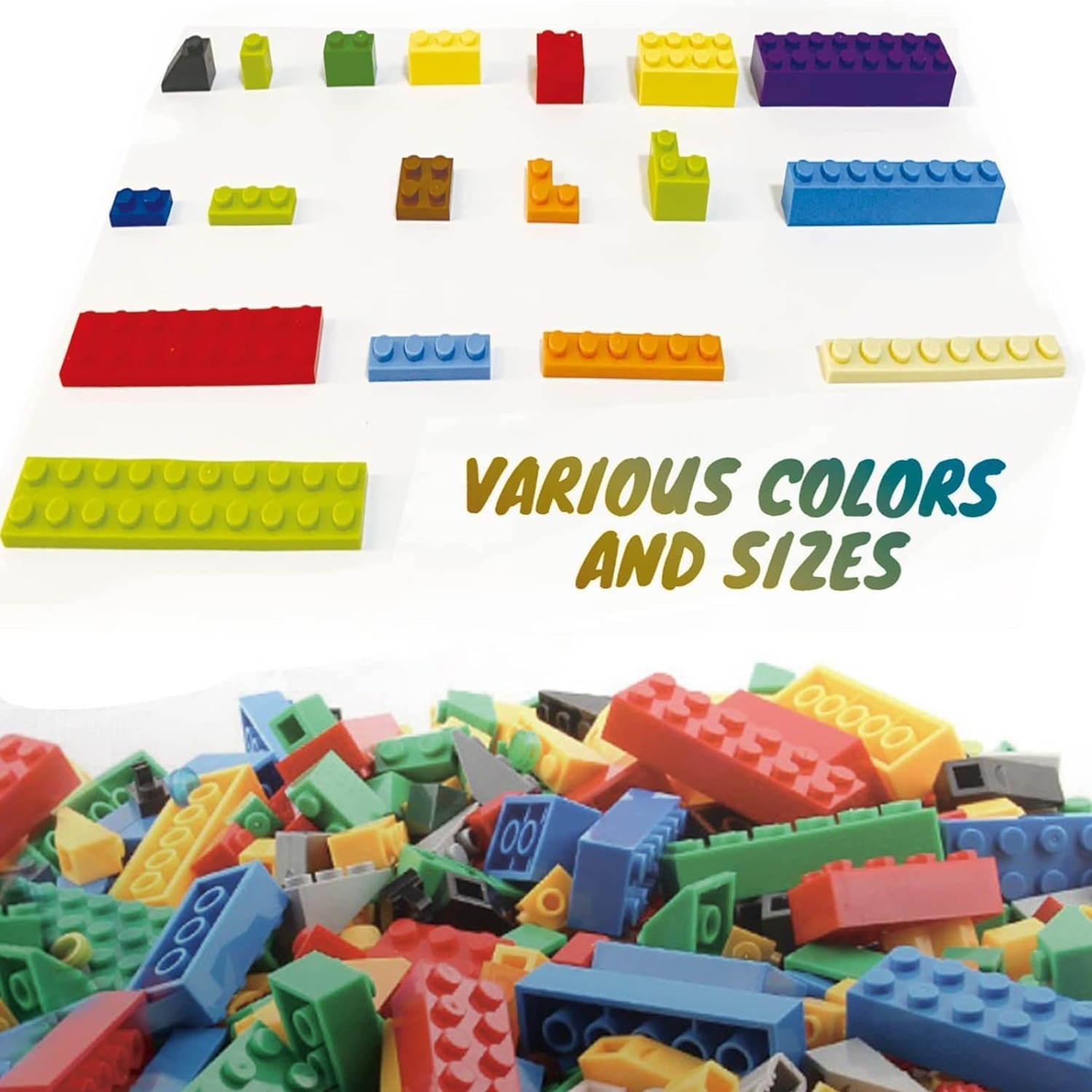
A bulk brick set solves a different problem. You are not buying a finished object. You are buying raw material. A 1500 piece classic building bricks set gives a child a deep supply of parts and then gets out of the way, which means every single play session starts with the same question: what do I want to make today? That question is the reason these sets stay in rotation for years while themed kits come and go.
How a bulk brick set works in practice
There is no setup. You open the box, tip the bricks into a tray or a tub, and that is it. The bricks use the classic interlocking format, so they stack and click the way children already expect them to.
The first session often surprises parents. Nothing much gets built. Instead the child sorts, maybe by colour, maybe by size, maybe by some internal system nobody else can follow. Let that happen. Sorting is how they take stock of what they have, and it is also real early maths, grouping, comparing and counting without anyone calling it a lesson.
Building starts properly in session two or three. It tends to be wobbly and ambitious. Towers fall. Walls do not line up. The child works out, through trial and error, that a wall built with staggered bricks holds better than one built in straight columns. Nobody has to teach that. The bricks teach it.
With 1500 pieces, there is also enough material to leave a build standing. That matters more than it sounds. When a child has to demolish yesterday's work to start today's, they stop investing in anything complicated. Give them enough parts and projects can grow across a whole week.
Who this set suits
The manufacturer lists a recommended age of 3 years and up, and gives the target audience as unisex children from 6 years. Those two numbers are doing different jobs. The first is about safety and small parts. The second is about who will genuinely enjoy an open ended pile without an adult steering them.
Around six is when most children can hold a plan in their head long enough to build something they pictured first. Before that, play is more about stacking and knocking down, which is still valuable but needs more adult company.
This set also suits a specific kind of household, the one that already has a tub of bricks. Old collections drift. The flat plates vanish, one colour dominates, and suddenly nothing looks right. A refill of multicoloured building blocks fixes that in one go, because the pieces are made to be compatible with the major brands and simply mix in.
And it suits adults who want a toy that does not talk, flash or need charging. Operation mode is manual. There are no batteries, no app, no sound effects. Just plastic and ideas.
How to choose between bulk and themed sets
Ask what your child does after they finish a build. If they immediately take it apart and start something new, they are a free builder and a bulk set is the right call. If they carefully put the finished model on a shelf and protect it, they are a model builder and will probably be happier with a themed kit.
Plenty of children are both, at different ages. A lot of kids follow instructions at five and abandon them at eight. Buying a large assortment covers the second half of that journey and costs less per piece than buying three themed boxes.
Also think about what the set is competing with in your house. If there is already a big brick collection, more themed kits just add more specialised parts that only work for one model. Bulk building blocks add flexibility, which is usually the thing that is missing.
One more consideration is storage. Fifteen hundred pieces is a lot of small objects. Decide where they will live before the box arrives. A wide, shallow lidded tub beats a deep bucket because children can see what they have without digging, and seeing the parts is half of getting an idea.
What is actually in the box
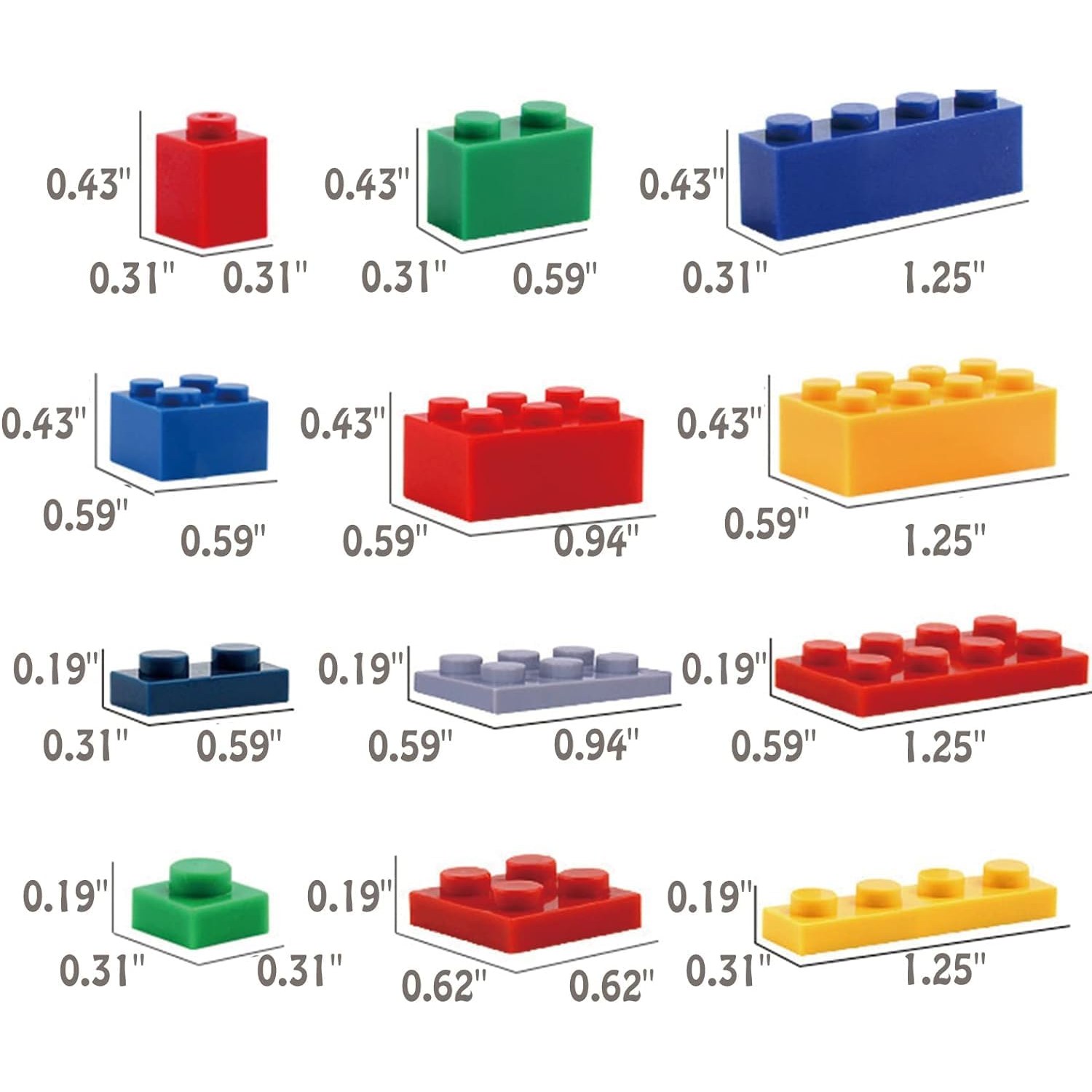
The set contains 1500 pieces in a single pack, listed under the set name Classic Building Blocks Set. The theme is Classic, which in brick language means ordinary rectangular bricks rather than character pieces or specialist shapes. No figures are included, and the character fields in the maker's details are blank.
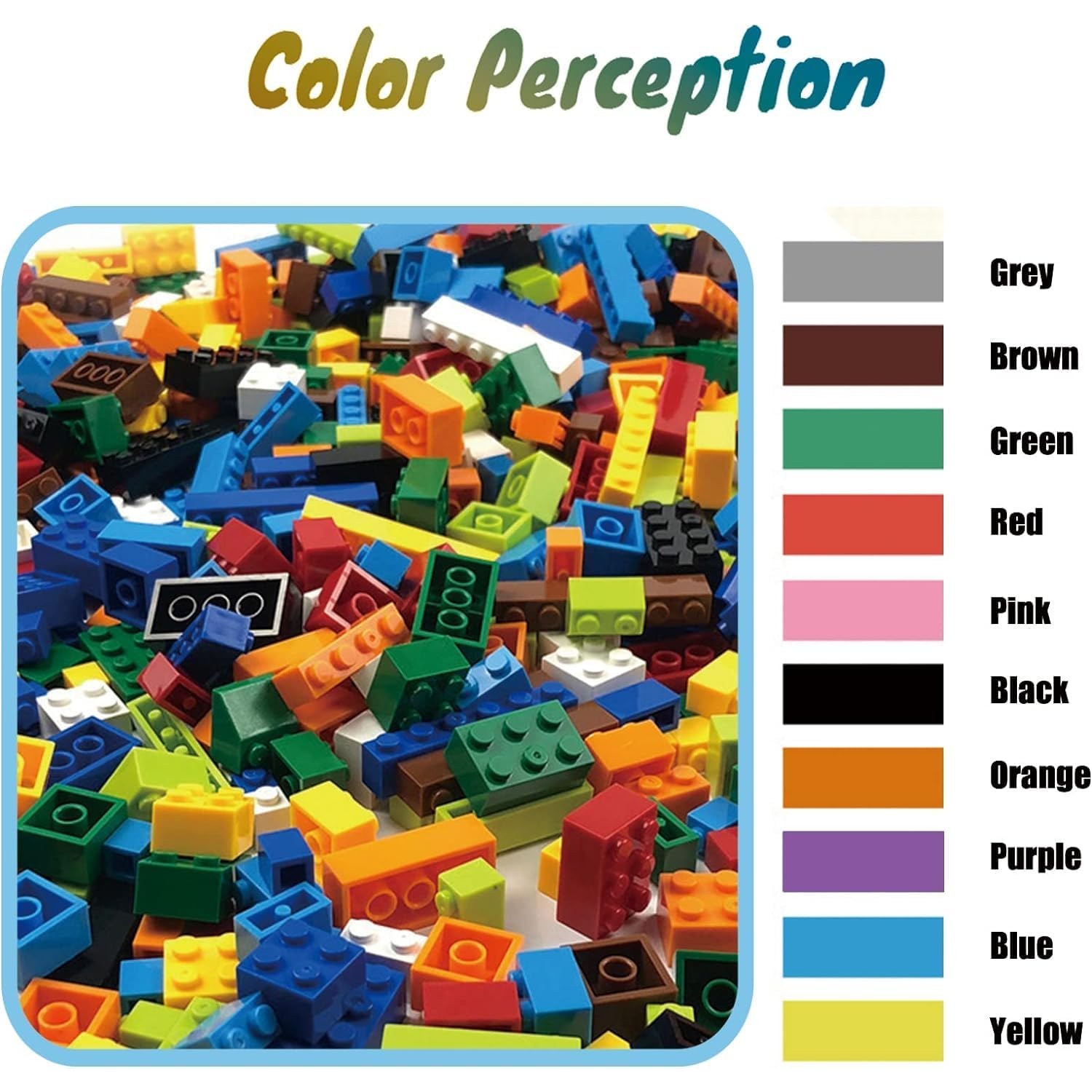
Material is plastic and the colour is listed as multicoloured. The listed educational objective is stacking skills, and the listed special feature is compatibility with all major brands.
Box dimensions are 35.5 x 29 x 4.5 cm and the weight is 1.3 kg. Country of origin is not specified by the maker, so we are not going to guess at it.
Assembly is listed as required, which is just the catalogue's way of saying this is a building toy. Nothing needs putting together before play starts.
Getting the most out of 1500 bricks
A few things help a bulk set become a long term favourite rather than a one week novelty.
Give the child a surface. A low table, a tray, or a baseplate if you buy one separately. Building on carpet is frustrating because the base never sits flat and pieces disappear into the pile.
Set occasional challenges, but lightly. A bridge that holds a book. A house with a door that opens. A vehicle with four wheels that actually roll. Constraints spark more creativity than a blank slate does, especially with children who find total freedom a bit daunting at first.
Resist tidying their builds away too quickly. If a half finished project survives on a shelf for a few days, it usually comes back to life. Builds that get swept into the tub every evening rarely get finished.
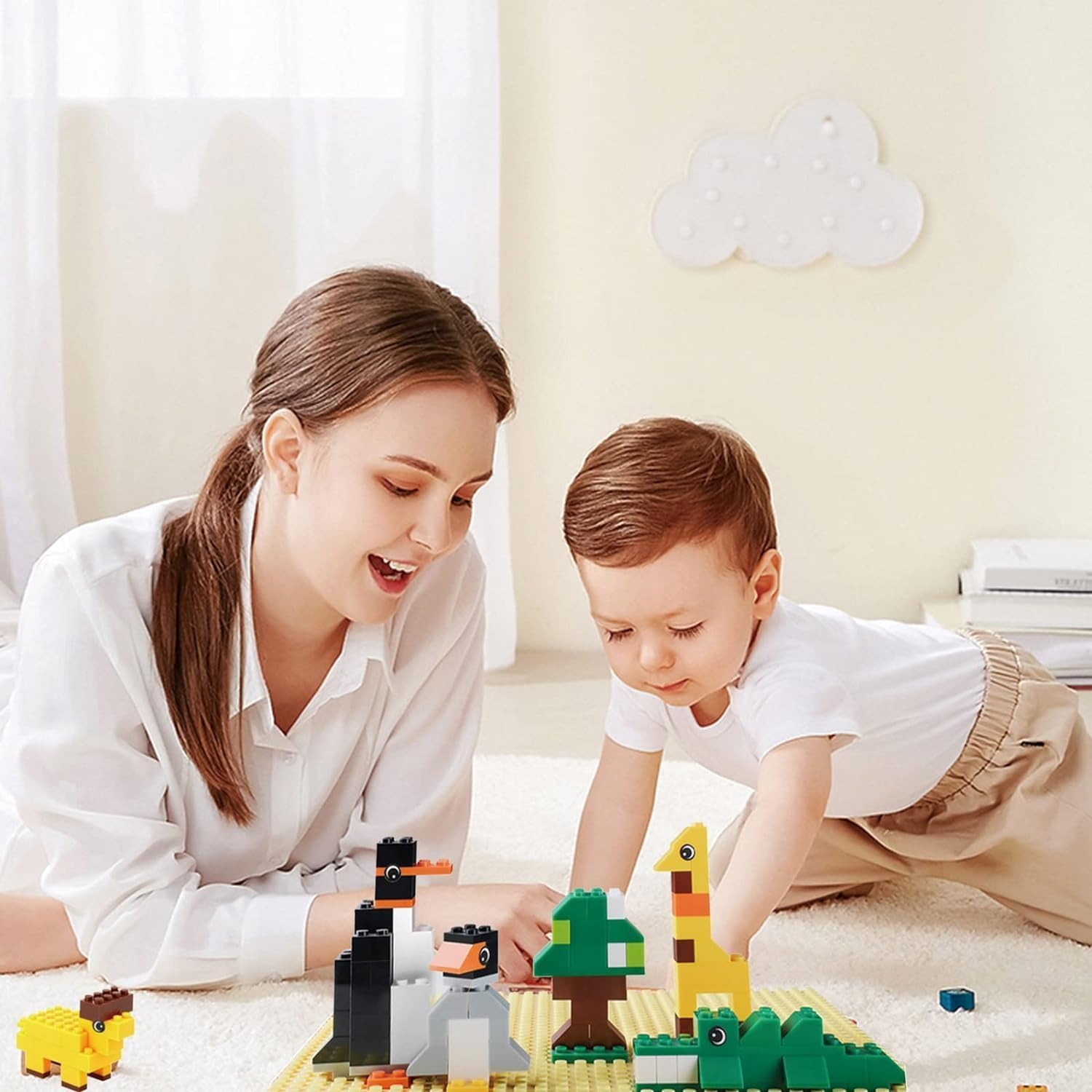
And join in sometimes. Parents who sit down and build something badly, out loud, give children permission to experiment. That is worth more than any instruction booklet.
Caring for the bricks
Plastic bricks are tough but not indestructible. Wipe them with a damp cloth and a bit of mild soap when they get grubby, then spread them out to dry fully before they go back in the tub. Trapped water inside hollow bricks goes stale quickly.
Keep them away from heat. No dishwashers, no microwaves, no tumble dryers, and no long stints on a sunny windowsill. Heat is what warps bricks and ruins the click.
Check pieces occasionally and pull out anything cracked or chipped, since a split brick can have a sharp edge. Store everything in one lidded container so the set stays together, because a bulk assortment loses its value fast once it is scattered across three rooms.
The short version
This is a big, plain, useful pile of bricks. There is no model to copy and no story to follow, which is precisely why it keeps getting used. Fifteen hundred multicoloured pieces in classic interlocking sizes, made to fit alongside the major brands, in a flat box that weighs 1.3 kg and wraps easily.
If your child likes following instructions, buy a themed kit. If your child likes inventing, or if your existing brick tub has gone stale and colour poor, this is the straightforward answer. Add a lidded tub, give them a flat surface, and then let them get on with it.