
The complete guide
How to Choose a Kids Baseball Set That Actually Gets Used
The problem with most first baseball sets
Plenty of kids get a bat before they get any real interest in baseball, and the bat is usually the reason the interest never arrives. It is too long, too heavy, and the ball that comes with it is hard enough to sting. The child swings, misses four or five times, and quietly decides this is not their sport.
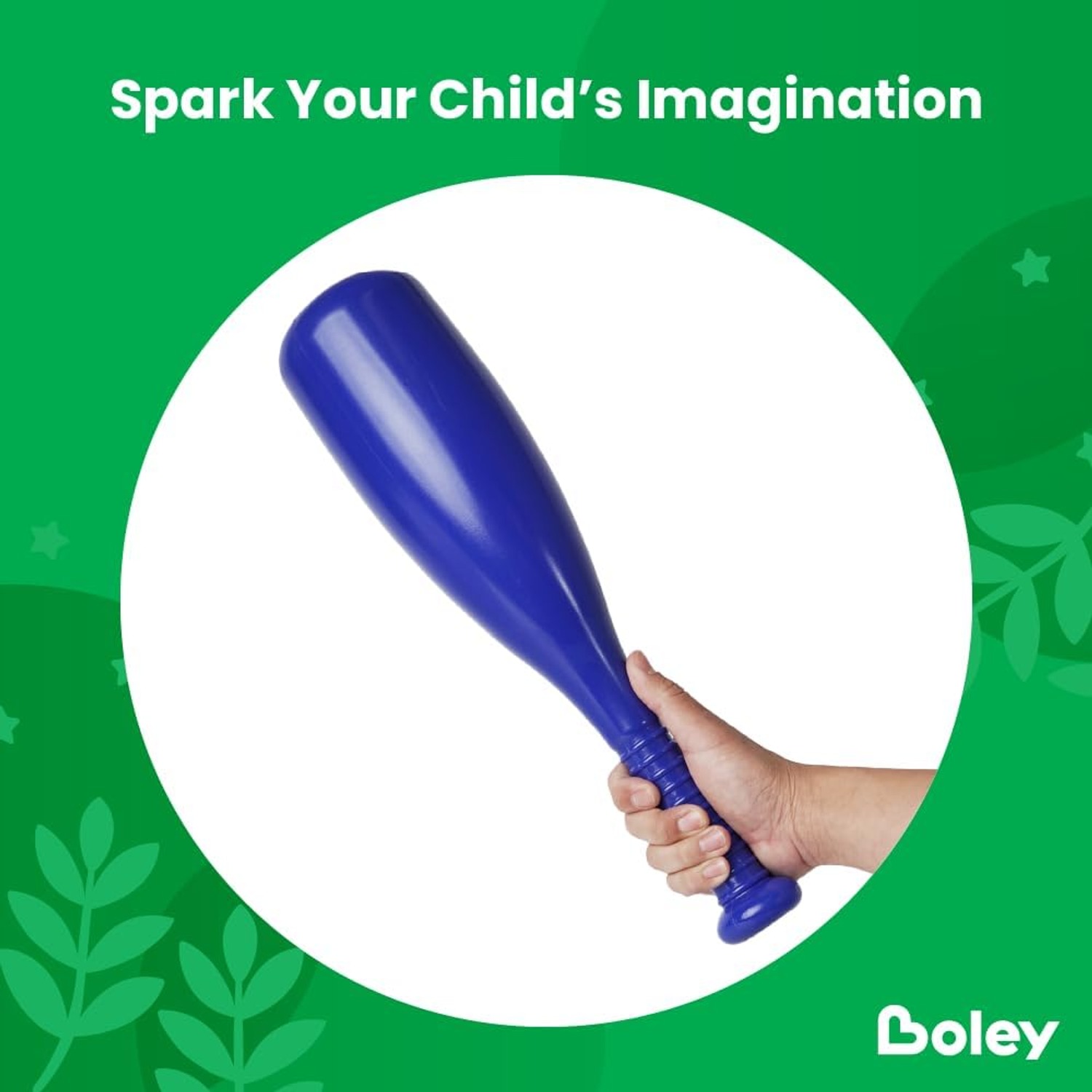
A toy bat and ball set solves that by changing the physics. A light plastic bat is easier to hold level and easier to swing on time. A light ball is easier to hit and much less intimidating when it comes toward you. That combination means a beginner makes contact sooner, and contact is what keeps them coming back out to the grass.
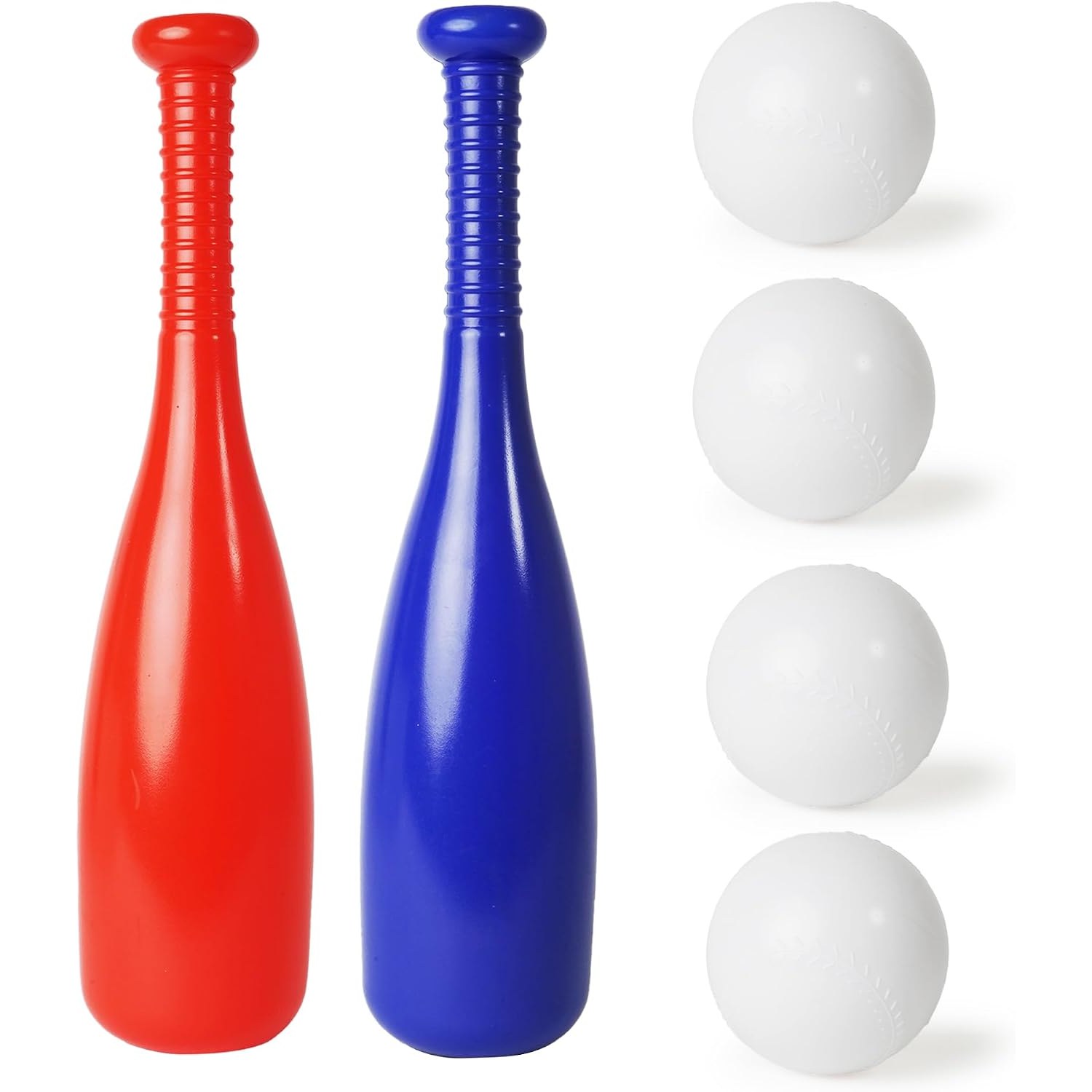
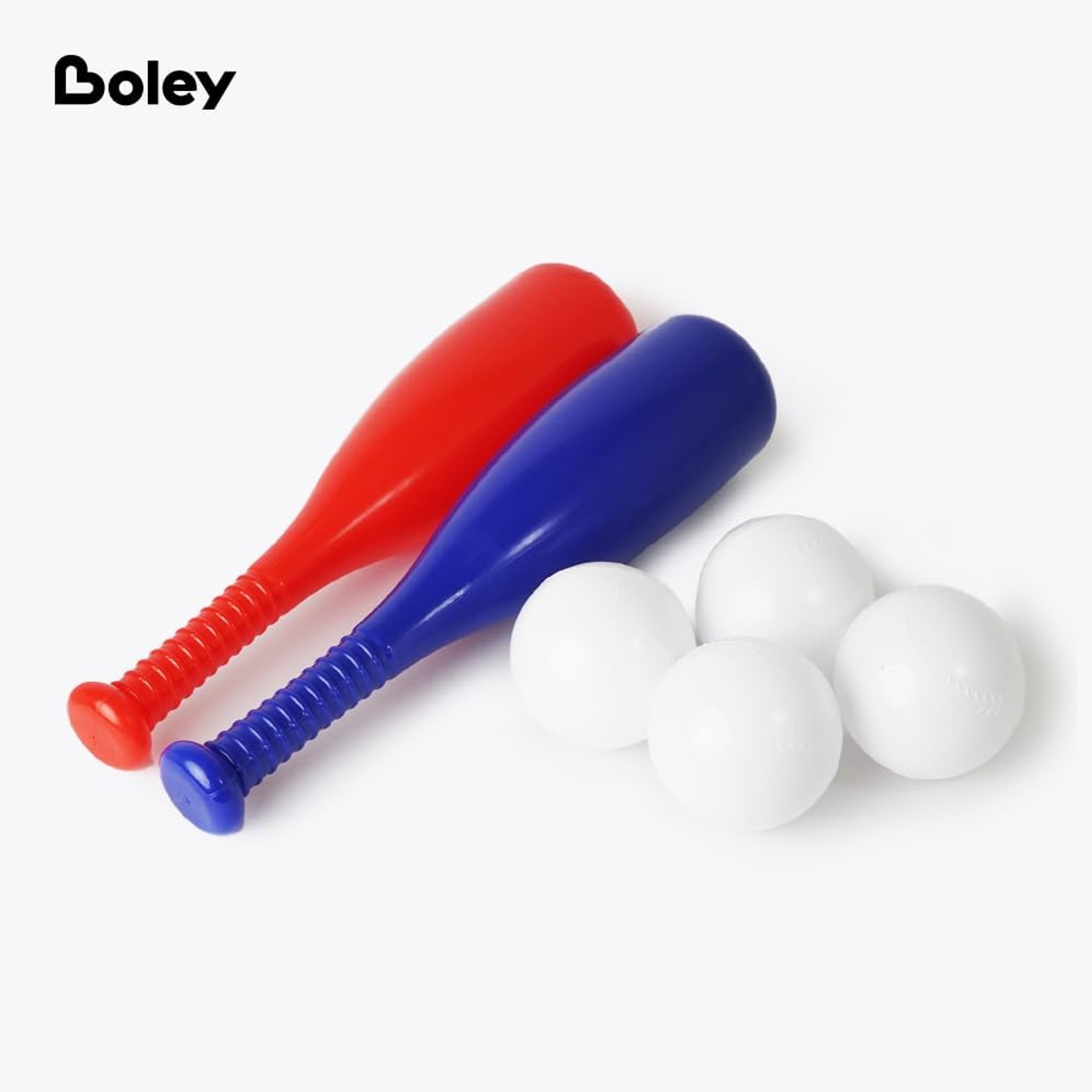
This Boley set takes the idea a step further by including two bats and four balls. Those two numbers matter more than they look on paper, and we will come back to why.
What is actually in the set
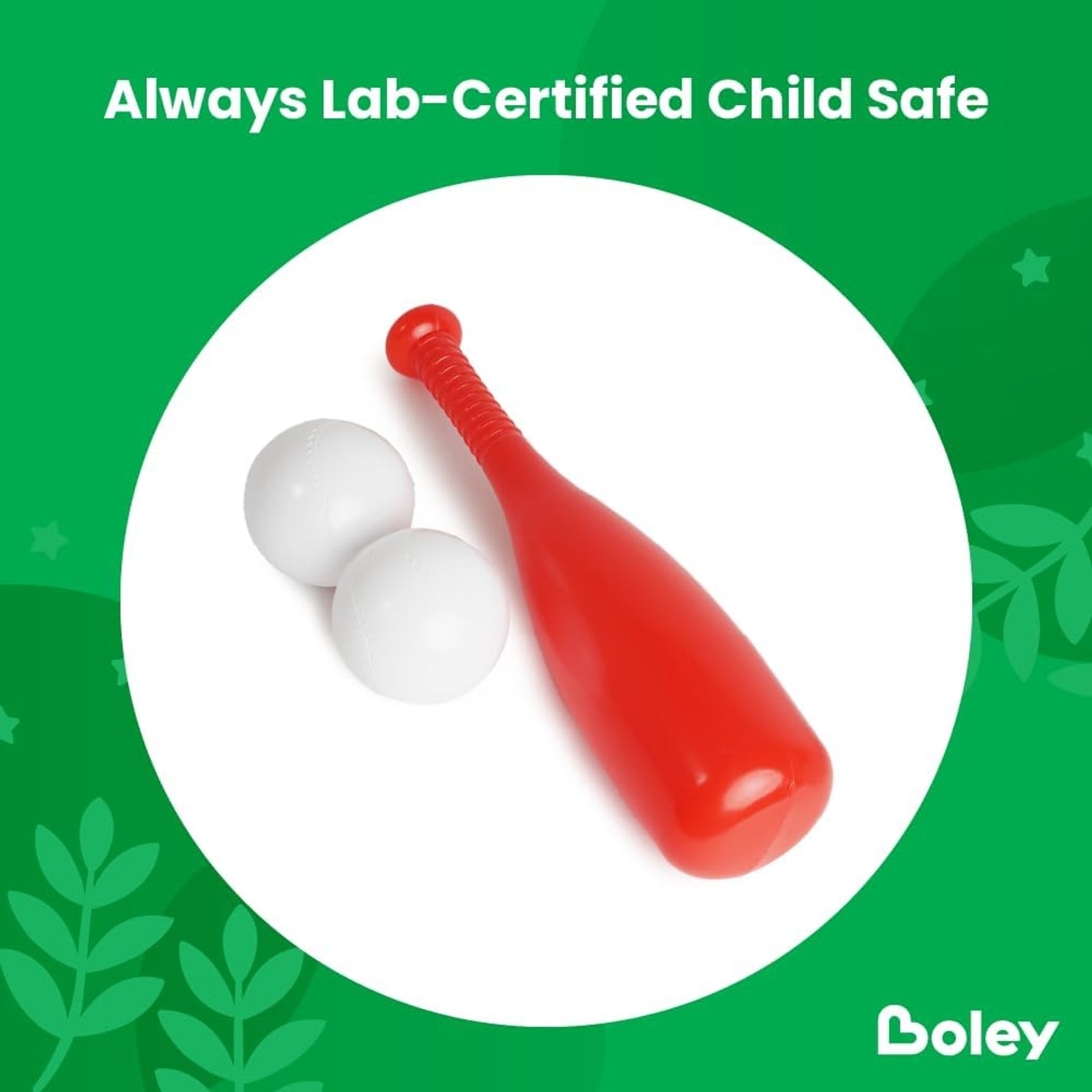
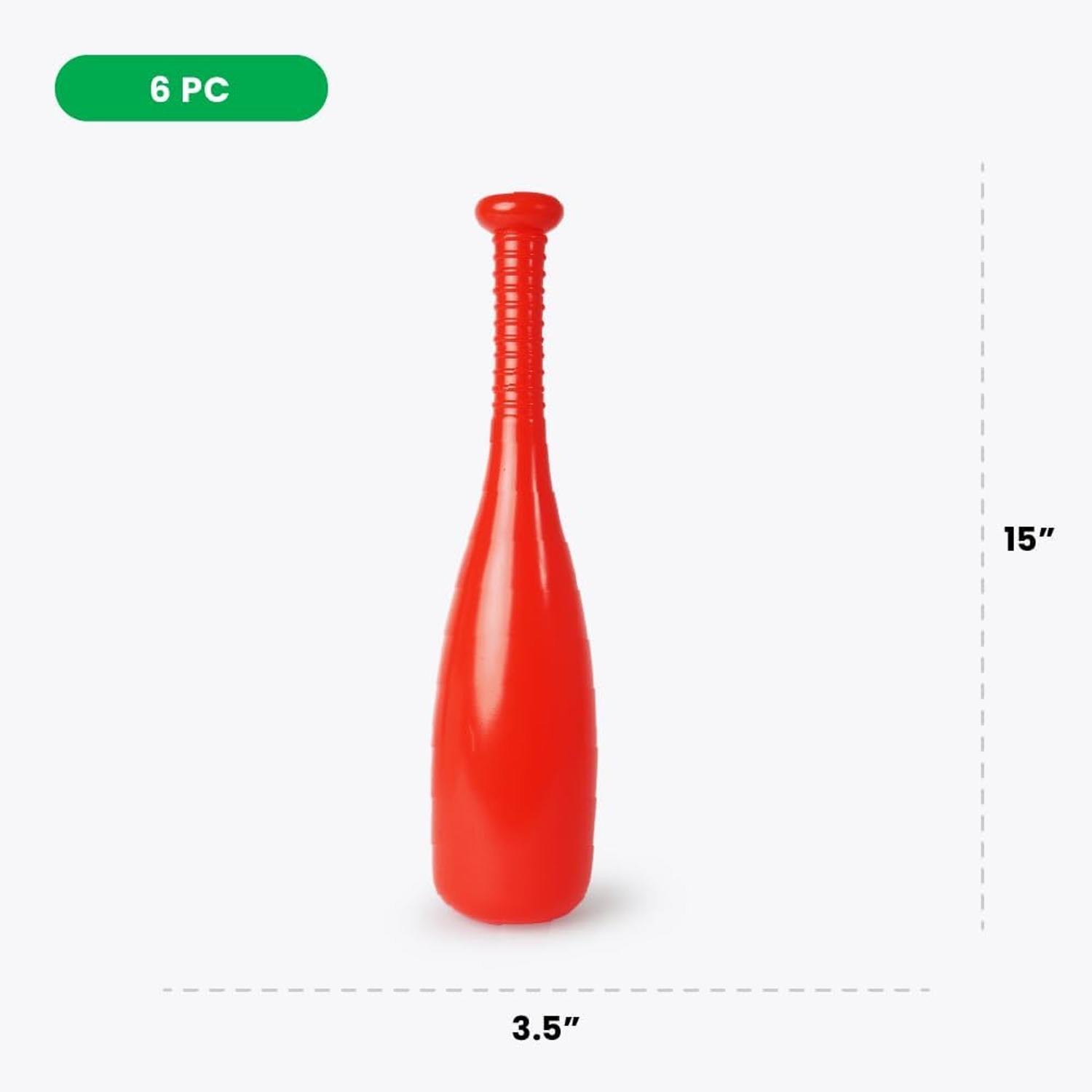
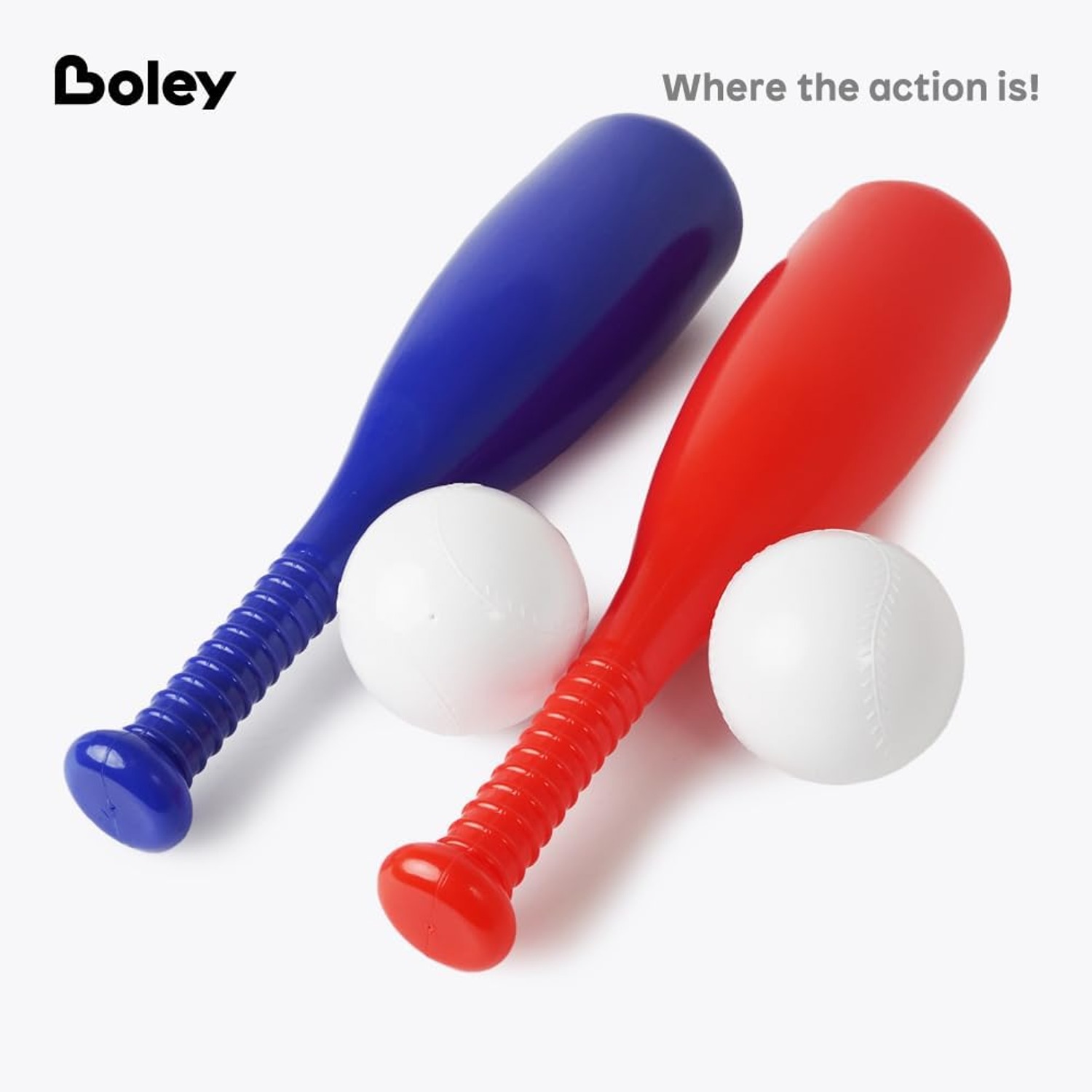
The box holds six pieces. Two plastic bats, one red and one blue, and four balls. The listed material is plastic and the theme is sport. Boley is both the brand and the manufacturer, and the UPC is 084495536329.
There are no batteries involved. The operation mode is listed as manual, which is a formal way of saying it is a bat and you swing it. Assembly is listed as not required, so nothing needs building, clipping or tightening before play starts.
A few specs are not stated by the maker. Exact dimensions, item weight and country of origin are not given, so we are not going to invent them. If precise bat length is the deciding factor for you, that is worth knowing up front.
Why two bats changes the game
Give two children one bat and you have created a queue. Queues are where outdoor games go to die, because the child who is waiting gets bored, wanders off, and the game is over in four minutes.
Two bats means both kids are holding something. One can bat while the other fields, then they swap without a handover negotiation. Or an adult can take the other bat and demonstrate a swing side by side, which is a far better teaching method than standing behind a child and moving their arms for them.
The colour split, red and blue, does quiet work too. Kids are territorial about equipment. When each child has a clearly different bat, the arguments about whose turn it is with the good one simply do not start.
Why four balls matters more than you think
Anyone who has pitched to a six-year-old knows the rhythm. Pitch, swing, miss, walk and fetch. Pitch, swing, miss, walk and fetch. The adult does most of the exercise and the child does most of the waiting.
With four balls, you pitch four times in a row. The child gets four swings while their eye is still in, which is when improvement actually happens. Then one person collects all four and you go again. It roughly doubles the number of swings per session.
It also buys you a buffer. One ball ends up in a tree, one disappears into the bushes, and you still have a working game. A single-ball set is one thick bush away from being finished for the afternoon.
Who this set suits
This is for kids who are new to bat and ball games, or who just want something to hit at the park. It is one of the better options for a first baseball bat because the low weight builds a swing habit rather than a flinch.
It also suits families who move around. There is no power, no screen and no charging cable, so it works at the park, the beach, a campsite or an open field. For families hunting the best outdoor baseball set for casual use, the lack of setup is the feature.
What it is not is training equipment. If your child has joined a club and needs gear for proper sessions, they will need regulation bats, a real ball and protective kit. Think of this as the stage before that, the stage where the goal is simply enjoying the swing.
Matching the set to your child
Age guidance from the manufacturer is broad, listed only as kid. That puts the judgement on you, which is fair enough, since a sturdy four-year-old and a cautious seven-year-old are different propositions.
Two things are worth checking. First, can your child hold the bat with two hands and lift it to shoulder height without it dragging? If yes, they can swing it. Second, can they stand still and watch a ball come toward them without turning away? If not, start with gentle underarm tosses from close range and build up.
Space matters as well. You want a clear radius around the batter so nobody is standing inside the swing. On grass, mark a batting spot with a cap or a cone so everyone knows where the action is. This is normal practice for any good outdoor game for children, and it prevents the one accident that ends the session.
Getting the most out of it
Start with a stationary toss rather than a pitch. Hold the ball out at the child's chest height and let them hit it out of your hand. That takes the timing problem away entirely and lets them learn the swing shape first.
When they can do that reliably, move to a slow underarm lob from a couple of metres away. Pitch to the same spot every time at first. Random pitching is a different and much harder skill, and there is no need to introduce it on day one.
Keep the sessions short. Ten focused minutes beats forty minutes of fading attention, and ending while they still want another go is the oldest coaching trick there is.
Looking after it
Plastic toys last longer with very little effort. Wipe the bats and balls with a damp cloth and a touch of mild soap, then dry them before they go away. Skip strong cleaners, which can leave plastic chalky.
Store the set indoors or in a dry box. Long periods baking in direct sun can soften plastic, and rain plus wet grass means a set that goes mouldy in a corner. A cupboard shelf, out of the sun, is ideal.
Every so often, run your hand over both bats and check for cracks, splits or sharp edges. Plastic that has been hit hard for a year can fail, and a cracked bat is not worth keeping. Same for the balls. If one has split, bin it.
The short version
You get two plastic bats in red and blue, four balls, no batteries and no assembly. That is a complete outdoor game in one box, and it works the minute you open it.
The two bats keep two kids busy at once. The four balls keep the swings coming instead of the fetching. The light plastic build means a beginner connects early and wants to try again, which is the only thing that really decides whether a sports toy gets used or forgotten.
Specific dimensions, weight and origin are not listed by the maker, so buy it for what it is: a straightforward, hard-wearing toy baseball set for the park, the field and the long afternoons in between.