
The complete guide
How To Choose And Use A Realistic Insect Figure Set
The problem with the bug phase
Almost every child goes through it. They lift a stone at the park, find a millipede curled up underneath, and suddenly want to know what it eats, how many legs it has and whether it can bite. The questions come fast and they keep coming. The trouble is that real insects do not cooperate. They crawl off, they get squashed, they do not survive in a jar overnight, and nobody in the house wants a shoebox of live beetles on the kitchen bench.
A set of insect figures solves that neatly. The bugs stay still, they do not die, and they can be picked up, turned over and counted as many times as a curious child wants. You get the learning and the play without the ethical problem of a child keeping a live creature in a container.
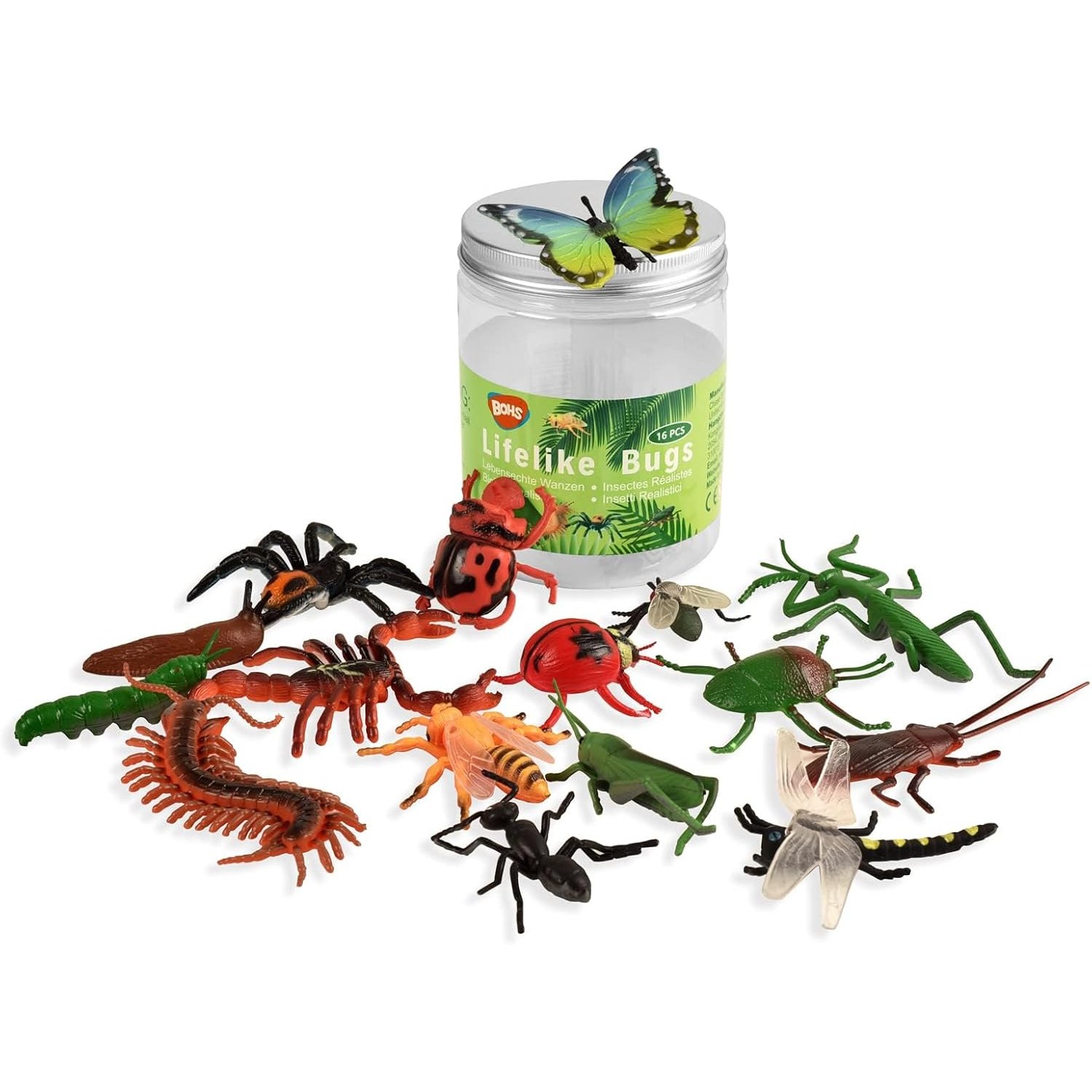
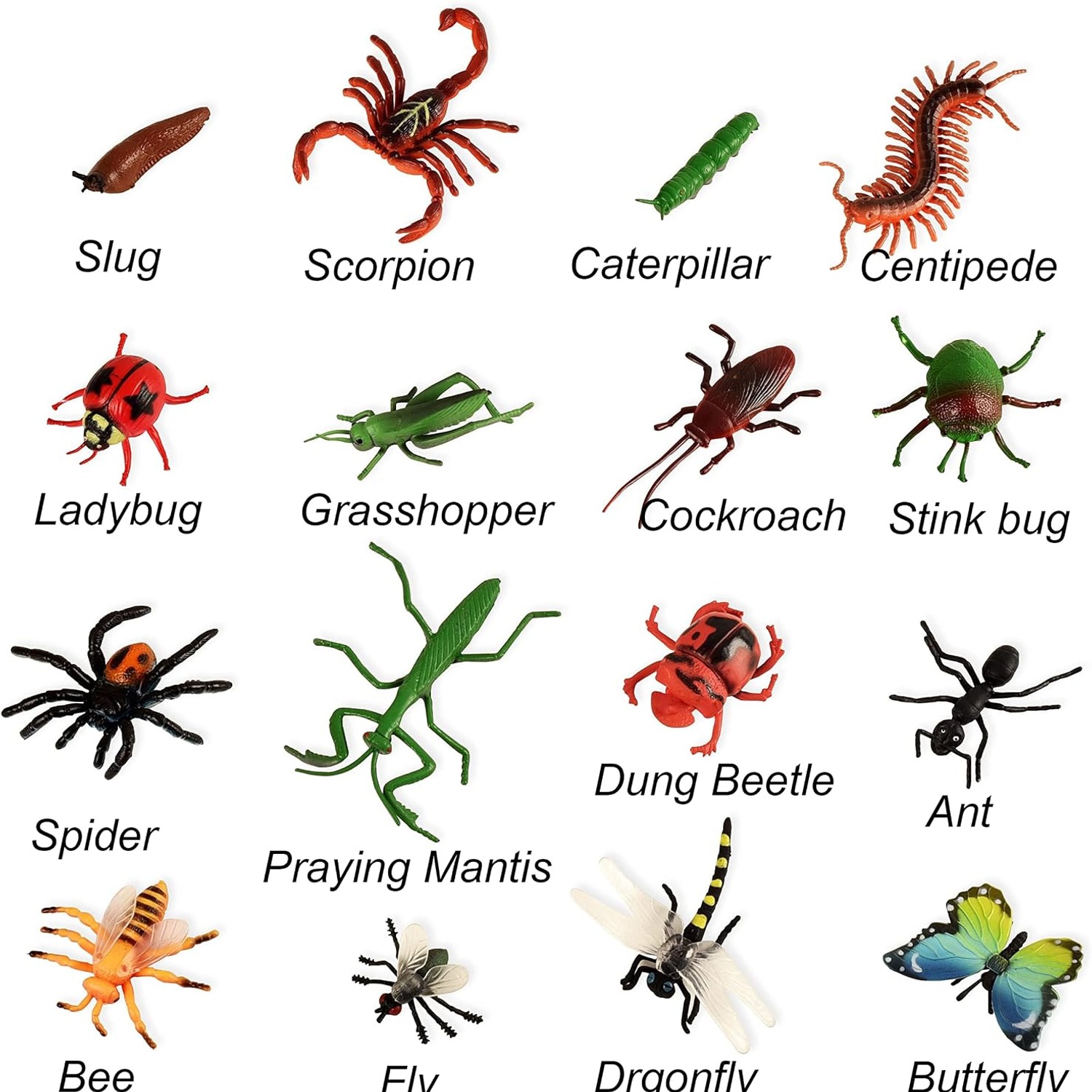
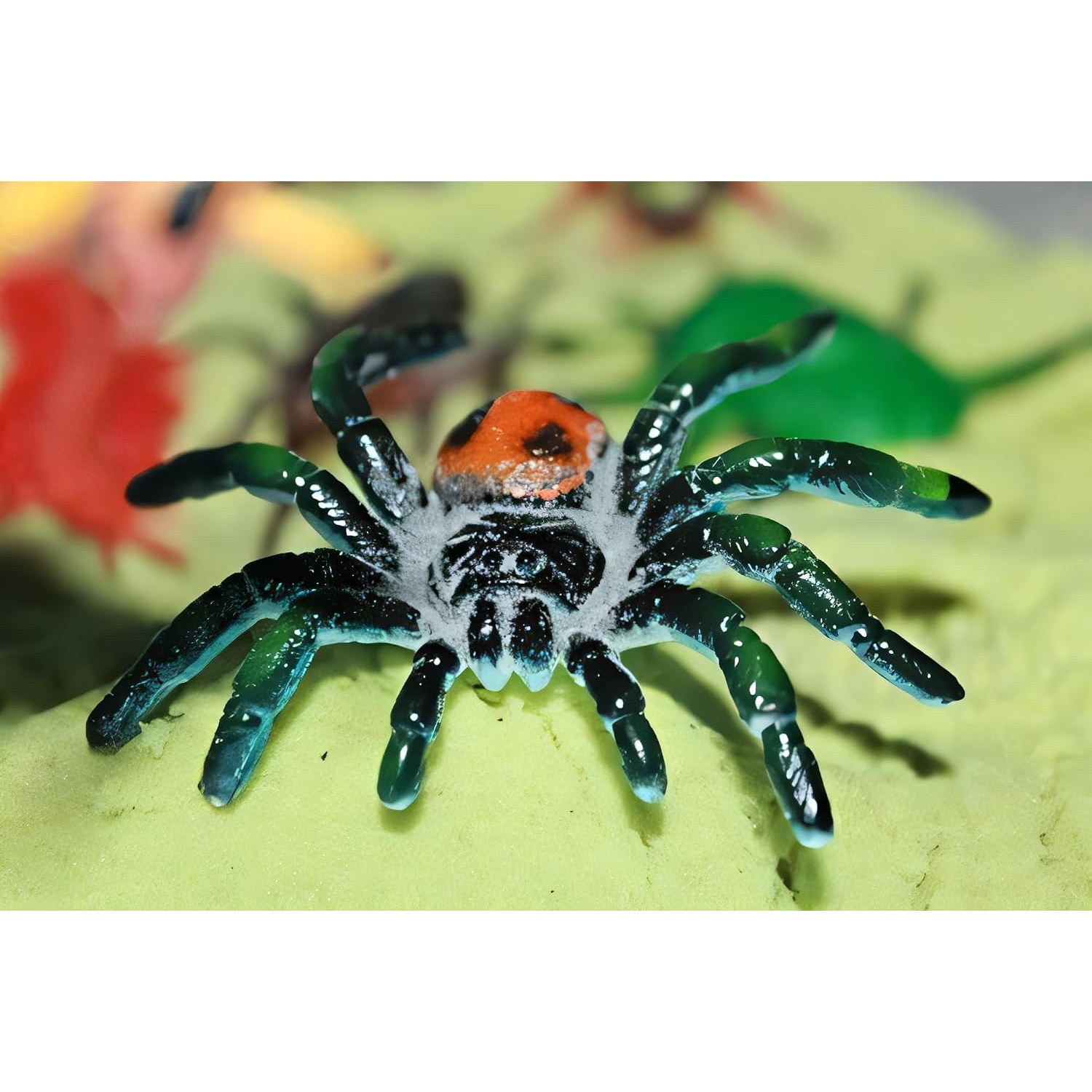
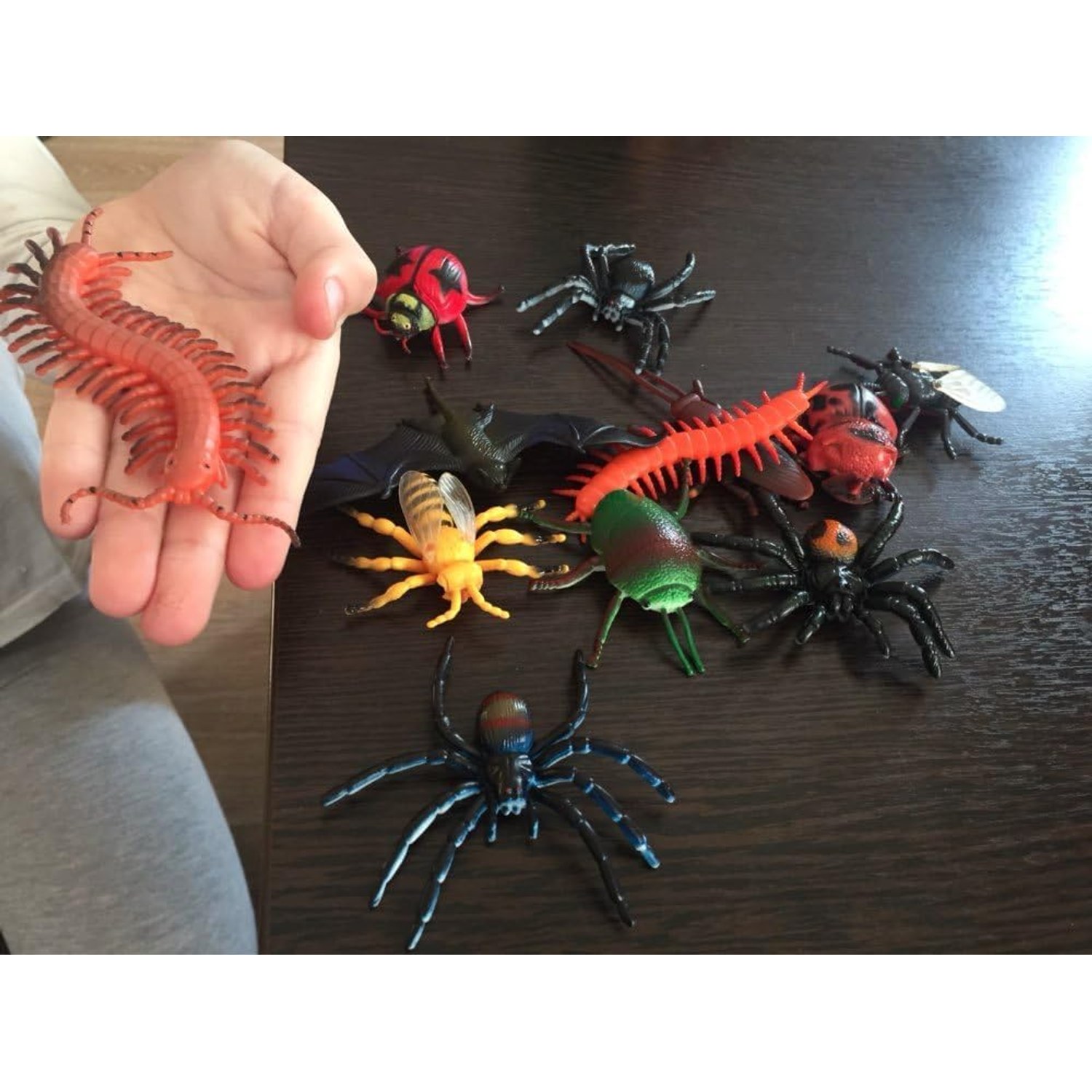
This set contains 16 plastic insect figures on a multicolour insect theme. There are no batteries, no screens and no assembly. It is as simple a toy as you can buy, and that simplicity is most of the point.
How a set like this actually gets used
Parents who buy plastic insect toys usually imagine one kind of play, then watch their kids invent four more.
The first and most obvious use is naming and sorting. A child spreads all 16 figures on the floor and groups them. Sometimes by colour, sometimes by number of legs, sometimes by "scary" and "not scary". That sorting instinct is how young brains build categories, and it is worth encouraging even when the categories make no sense to an adult.
The second is small world play. Bugs get a habitat made from leaves, bark, a shoebox lid or a handful of dirt from the pot plant. They get names and jobs and a storyline. This is where language develops, because the child has to narrate what is happening.
The third is sensory play. Bury the figures in a tub of dry rice, lentils or sand and let a child excavate them with a spoon. For anyone running a daycare or a rainy-day activity at home, this is one of the best toy bug set uses going, because it holds attention for a long stretch and cleans up in one sweep.
The fourth, and the one kids discover without being told, is pranking. A plastic spider in a shoe or a cockroach on the butter dish is a joke as old as plastic itself. If that is not welcome in your house, set the rule early.
Who this suits
The manufacturer recommends ages 3 years and up. That guidance matters, because small moulded pieces are a choking hazard for children under 3 who still mouth everything. If you have a younger sibling crawling around, play on a table or keep the set for times when the little one is asleep.
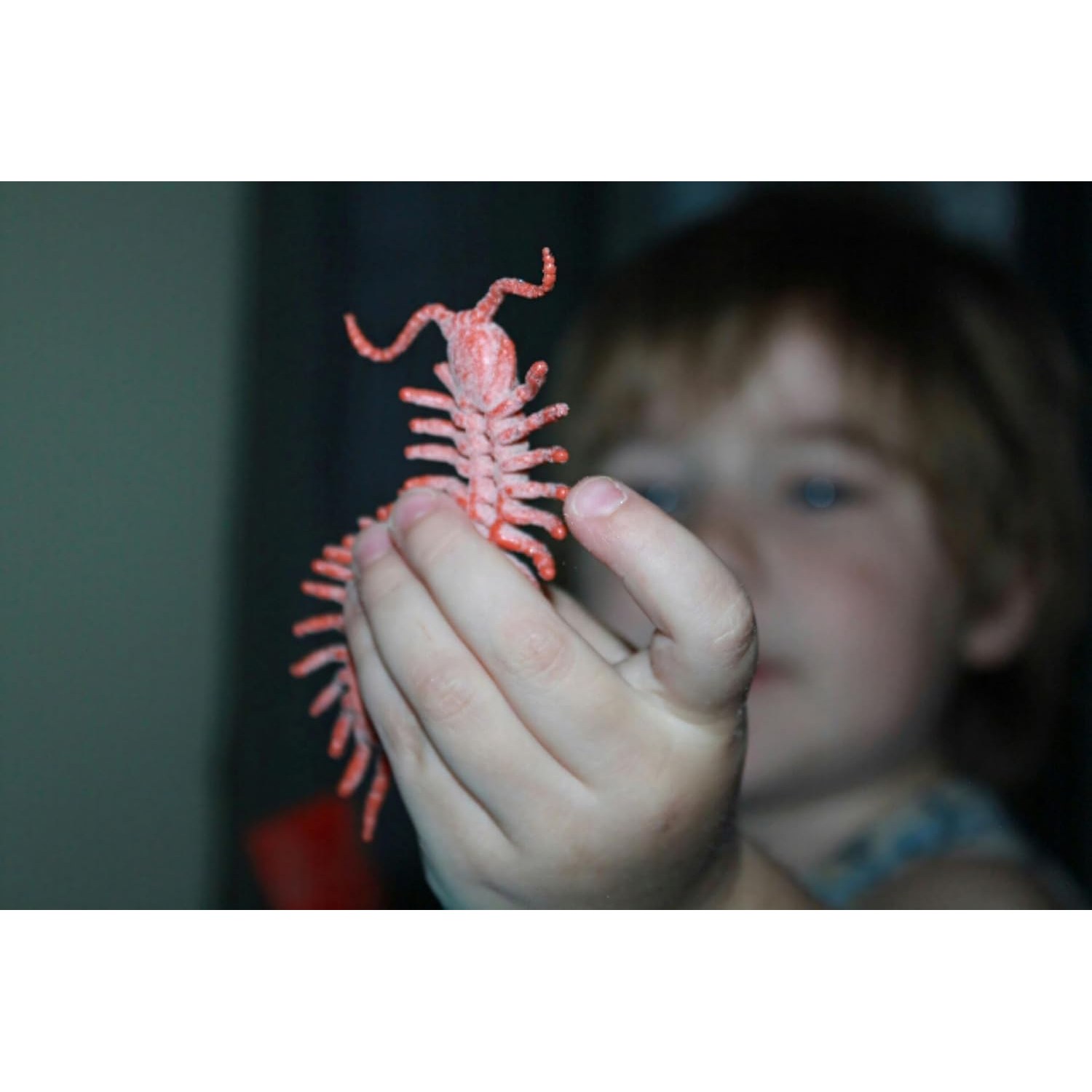
From three to about eight is the sweet spot. Three and four year olds are in it for the handling, the hiding and the stories. Five to eight year olds start wanting facts, and that is when the figures turn into teaching props. You can point at a body and talk about the head, thorax and abdomen. You can count legs and work out that a spider is not an insect at all, which is the kind of detail kids love to correct adults on later.
Teachers and childcare staff are a natural fit too. Insect models for preschool work for counting, for sorting, for a nature table, and for calming a child who is nervous about real bugs. Seeing a spider as an object you can hold in your palm takes a surprising amount of fear out of meeting one on the wall.
How to choose a bug set that is worth the money
A few things separate a set that gets played with from one that ends up in the bottom of the toy box.
Piece count is the first. Too few and there is nothing to sort or share. Sixteen figures is a practical number. It splits into pairs and fours for group activities, and it is enough that losing one in the grass is not a disaster.
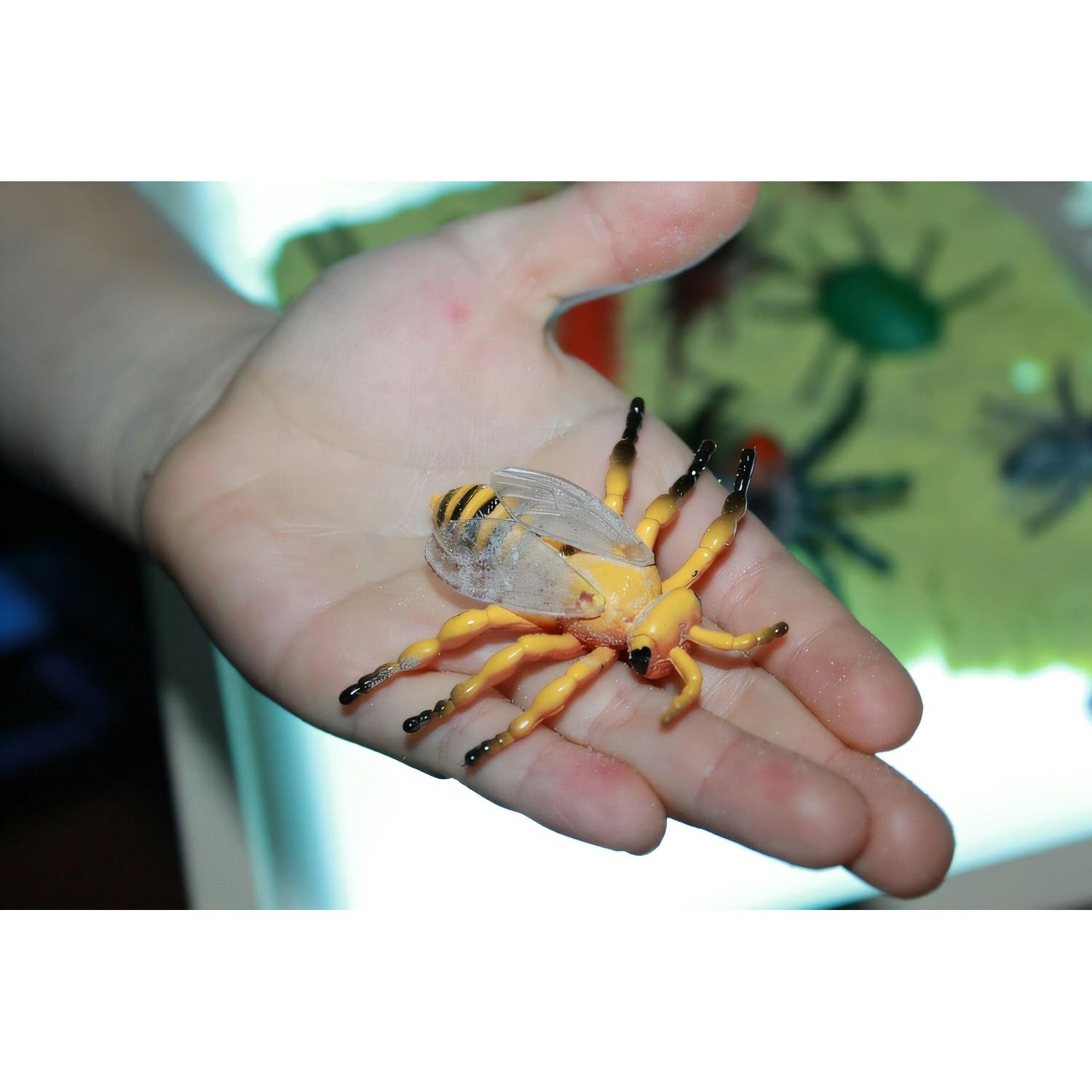
Detail is the second. Flat, blobby plastic bugs do not teach anything. Figures with visible legs, wings and body sections let a child see structure, which is the whole educational point. The stated objective of this set is building knowledge of insects and curiosity about nature, and detail is what makes that possible.
Storage is the third and it is underrated. A set that arrives in a slim 24 x 16 x 1 cm format slides into a drawer flat. Compare that to a bulky plastic bucket that eats half a shelf. If you are buying for a classroom with limited cupboard space, size on the shelf matters as much as size in the hand.
Power is the last consideration, and here less is more. Manual play means the toy works in the car, on a plane, at a campsite and in a waiting room. Nothing flattens, nothing needs a screwdriver, and nothing makes a noise at 6am.
Looking after the set
Plastic figures are forgiving, but a little care keeps them looking right for years.
Wipe them with a damp cloth and a drop of mild dish soap when they get grubby from sandpits or sticky hands. Rinse off the soap and dry them properly before they go back in the box, especially if any figure has a hollow underside that can trap water. Skip the dishwasher. The heat is enough to soften and distort thin plastic legs and antennae.
Keep the set out of direct sun for long stretches. A toy box by a sunny window or a car parked in the sun will fade colours and can warp shapes over time.
Store everything in one container. A zip bag, a lidded tub or even the original packaging works. The reason is simple. A set of 16 is only useful as a set, and once pieces start living under the couch the sorting games stop working.
Finally, do a headcount after outdoor play. Realistic bugs in long grass are almost impossible to spot, which is both the charm and the hazard of the thing.
Getting more out of it
If you want the set to do more than fill ten minutes, a couple of easy activities help.
Try a bug hunt. Hide all 16 figures around a room or a playground and send kids out with a basket and a tally sheet. It gets them moving and it builds counting practice without feeling like schoolwork.
Pair the figures with a library book about insects. Reading about an ant and then holding an ant model at the same time links the word and the object, which is exactly how early vocabulary sticks.
Use them for drawing practice. Put one figure on a sheet of paper and ask a child to copy what they see. Older children can label the parts. It is a cheap, low-prep science lesson that works at the kitchen table.
The short version
This is 16 plastic insect figures, recommended for ages 3 and up, with no batteries and no assembly. The packed size is 24 x 16 x 1 cm, the brand is BOHS and the model is XB-LB523.
It suits children in the bug-obsessed stage, parents who want a quiet toy that travels, and teachers who need hands-on props for nature study. It washes with soap and water, stores flat and does not rely on anything electronic.
If your child has started turning over rocks at the park, this is the natural next step. And if someone in the house likes a harmless prank, they will find a use for it within the hour.